


Tuesday 30 June 2026
Millennium Point, Birmingham
Hosted by:
.jpg)
Event partners:


Silver sponsor:

Following the publication of the Government's Road Safety Strategy, Delivering Vision Zero brings together leaders and practitioners from across road safety, transport, active travel, public health, planning, enforcement, policy and communications to chart an evidence-based path towards eliminating deaths and serious injuries on our roads.
Reducing road danger is the essential and non-negotiable foundation of Vision Zero. But achieving it also represents a far wider opportunity: to reshape our streets into places that are safer, healthier, fairer and more liveable for everyone – particularly children and those most vulnerable to harm.
Through keynote addresses, panel discussions and practical breakout sessions, the conference will explore how we move beyond isolated interventions towards a mature Safe System approach. Delegates will examine what the evidence tells us about what works, how to deliver change at pace in a challenging political and funding environment, and how different sectors can collaborate to turn ambition into reality.
The programme will showcase real-world examples of delivery from across the UK, explore emerging tools and technologies, and consider how safer streets can unlock wider benefits for communities, public health, active travel and everyday life.
Delivering Vision Zero is for anyone committed to eliminating road deaths and serious injuries – and to creating streets where people can move, meet, play and live without fear.


Why Attend?
Attending Delivering Vision Zero offers a unique opportunity to gain practical insight, expert knowledge, and real-world case studies on how Vision Zero principles – including lower speed limits – can be delivered effectively at scale.
By attending, you will:
-
Gain expert insight
Learn from leading policymakers, practitioners and campaigners about how Safe System approaches and 20mph strategies support Vision Zero outcomes -
Learn what works in practice
Hear directly from places already delivering change, including lessons learned, challenges overcome and measurable impacts -
Stay ahead of the curve
Explore emerging trends in road safety, data, enforcement, street design and behaviour change -
Discover enabling technologies
Understand how smart infrastructure, data analytics and enforcement tools can accelerate progress -
Network with peers and leaders
Connect with colleagues from local authorities, health, policing, advocacy groups and industry -
Shape the future of safer streets
Contribute to discussions that will help define the next phase of Vision Zero delivery in the UK -
Leave with practical takeaways
Gain actionable ideas, tools and frameworks you can apply in your own organisation or area
Who Should Attend?
This conference is designed for professionals working to reduce road danger and improve public health. Delegates will learn from leading policymakers, practitioners and campaigners about how Safe System approaches and 20mph strategies ,with 20mph embedded as a foundation ,support Vision Zero outcomes. Those that should attend include:
-
Local and national government officers
Transport planners, highways engineers and road safety teams -
Policymakers and campaigners
Developing Vision Zero, road safety and 20mph strategies -
Police and enforcement agencies
Focused on compliance, deterrence and road safety outcomes -
Public health and active travel professional
Promoting safer streets for walking, cycling and everyday mobility -
Technology and infrastructure providers
Delivering solutions for speed management, monitoring and enforcement -
Academics and researchers
Contributing evidence and evaluation on road safety and speed reduction


Without getting people out of cars, our roads will never be safe, and without making our roads safe we will never get people out of cars. That’s why Beccy and I are two sides of the same coin, fighting for a region where road death is a thing of the past and sustainable, healthy, joyful transport options are open to everyone. It really is our only chance of creating streets which we can all be proud to call home
Matthew MacDonald
Road Safety Commissioner
West Midlands Combined Authority
As West Midlands Active Travel Commissioner, working closely with my right arm, the Road Safety Commissioner, it's vital that our work goes hand in hand. Safety remains the number one barrier our communities cite when it comes to feeling confident to travel differently and actively
Beccy Marston
Active Travel Commissioner
West Midlands Combined Authority

What Will Be Discussed?
Key themes for the conference will include:
-
Delivering a Safe System approach in practice
-
Vision Zero policy and governance at local, regional and national levels
-
The role of 20mph limits in reducing road danger
-
Designing streets for safety, equity and accessibility
-
Enforcement, compliance and behaviour change
-
Using data, evidence and evaluation to drive decision-making
-
Public engagement, communications and political leadership
-
Funding, delivery and scaling successful interventions
-
The wider benefits of safer streets for health, climate and communities
The Case for Vision Zero
-
Lower speed limits significantly reduce the risk of death and serious injury
-
Children and older people are disproportionately affected by road danger
-
Streets designed for lower speeds support walking, cycling and public health
-
Cities adopting Safe System approaches see sustained reductions in casualties
Programme
Please note the programme is currently under development
09.00
Registration
Tea & coffee served in the Atrium
09.45
Auditorium (Via Plaform, Level 1)
Opening plenary: Delivering Vision Zero
Welcome and opening remarks from Richard Parker, Mayor of the West Midlands
The Road Safety Strategy (video) from Lilian Greenwood, Minister for Local Transport, Department for Transport
This session will explore how a road safety strategy developed from first principles – to maximise reductions in injuries – should work, focusing on practical interventions with a proven track record. It will hear from presenters with lived experience of road danger and its impacts, and share insights for reducing road harm with viable interventions, followed by updates from the West Midlands on how road danger reduction plans are progressing across the region.
Chair: Matthew MacDonald, Road Safety Commissioner, West Midlands Combined Authority
Speaker: Tom Cohen, Reader in Transport Policy, Active Travel Academy, University of Westminster
Panellists:
-
Sarah Coombes, MP for West Bromwich
-
Beccy Marston, Active Travel Commissioner, West Midlands Combined Authority
-
Lucy Harrison and and Steve Maloret, Directors, Road To Change
-
Aria Rattan and Lewis Asad-Brown, Active Travel Ambassadors, West Midlands
Followed by panel discussion and audience Q & A
11.20
Morning break
Tea & coffee served in the Atrium
11.55
Express (Level 1 )
Evidence: data, analysis and technology
Chair: Rod King MBE, Founder and Director, 20's Plenty for Us
Overview of the actual state of road danger on UK roads, followed by presentations outlining the practical evidence-based measures, tools and services that can help authorities to understand the actualities of road danger in their regions, analyse actual impacts and take practical steps to reduce it.
Speakers:
What killed who - behind the data
Robin Tucker, Co-Chair, CoHSAT - Coalition for Healthy Streets and Active Travel
Detecting real-time risk before incidents happen
Dorian Isaacson, CEO, Rhevia
Autonomous ride-hailing: street and people interactions
Nathan Ashley, Public Policy Manager UK, Waymo
Into the storm – reducing road harm risk in Europe’s most car‑dependent city
Martin Rowe, Transport Planning Manager, Birmingham City Council
Followed by panel discussion and audience Q & A
Station Event Space (Level 2)
Safer roads and streets
Chair: Mel Jones, Head of Transport Planning and Network Strategy, Birmingham City Council
Focus on strategies for delivering safe and accessible streets in populated areas and centres, outlining why current strategies to reduce injuries are insufficient, and challenging the audience to consider where their own work sits in relation to these ideas. Followed by case studies of current best practice in urban / dense settings.
Speakers:
A radical refocus for urban streets
Robert Weetman, active travel expert and street designer
A road safety strategy for walking, wheeling and cycling
Amy Aeron-Thomas, Traffic Justice Campaign Coordinator, Action Vision Zero and Jeremy Leach, co-founder, Action Vision Zero
Side road zebras, slower speeds and the Road Safety Partnership Plan in Wales
Kaarina Ruta, Senior Policy Officer (Transport), Welsh Local Government Association
Kids Streets
Beccy Marston, Active Travel Commissioner, West Midlands Combined Authority and Sarah Ansari, Growth & Partnerships Manager, West Midlands & East Midlands Walk Wheel Cycle Trust
Followed by panel discussion and audience Q & A
Curzon Event Space (Level 4)
Communications: reaching communities and enabling behaviour change
Chair: Alice Ferguson,
Co-founder, Playing Out
Two short talks followed by a panel discussion and Q & A
Speakers:
George Henry, Head of Road Policy and Safety, Transport Scotland
Amy Pidwill, Senior Safety Strategy Manager, Transport for London
Viewing of an edited version of City of Cars, a film that highlights the personal stories behind car-related violence on Birmingham's roads one year after a city-wide road safety emergency was declared by Birmingham City Council. Says Mat MacDonald, the road safety commissioner for the West Midlands Combined Authority: "I think this is an absolutely phenomenal film and what it does is tell stories that would otherwise be swept under the carpet."
Panellists:
Matthew MacDonald, Road Safety Commissioner, West Midlands Combined Authority
Sarah Chaundler, Director/ Producer, City of Cars and member of the West Midlands Mayor's Transport Task Force
Sally Kyd, Professor of Criminal Law, University of Leicester
11.55
until
12:35
Platform (Level 1 )
Courageous Communication Training
The training will be delivered by two professional actors who will facilitate scenario-based exercises with participants. The sessions are designed to enhance attendees’ ability to communicate empathetically and effectively in challenging situations, both when engaging with the public and when navigating difficult interpersonal dynamics within teams.
(Session Repeated at 4 times throughout day)
12.35
until
13:15
Platform (Level 1 )
Courageous Communication Training
Repeated from 11.55
13.10
Lunch break
Refreshments served in the Atrium
14.10
Express (Level 1 )
Evidence: data, analysis and technology
Chair: Rod King MBE, Founder and Director, 20's Plenty for Us
Impact analysis of 20mph in the West Midlands
Suzanne Coles, Principal Consultant, Agilysis
Delivering Vision Zero: A Safe Systems approach to red light running
Cleo Weeden, Strategic Partnership Lead, VivaCity and Nadeem Mohammed, Road Safety Manager, Transport for Greater Manchester
Vision Zero Progress Report: Mayor of London’s Vision Zero 2041
Amr Fouda, Associate Director, Project Centre and London Technical Advisers Group (LoTAG)
Followed by panel discussion and audience Q & A
Station Event Space (Level 2)
Safer roads and streets
Chair: Carol Hyatt,
former Councillor, City of Wolverhampton Council
Applying Vision Zero / safe system principles to higher-speed and complex road corridors and rural roads, which require a major shift from reactive safety measures to proactive Safe System approaches, which assume human error and design infrastructure to reduce the negative impacts of road danger. Followed by case studies of current best practice for higher-speed, complex road corridors and rural roads.
Vision Zero on higher‑speed and complex road corridors
Ian Coleman, Transport Consultant, Arup
The Safer C7 - making a case
Ben Coleman, Head of Active Travel, Urban Movement and Representative of the Safer C7 Group
Vision Zero starts local: Equipping local communities to drive road safety change
Adam Bunce, Director Ethos Consulting
Dan Hawes and James Kennedy, Young Ambassadors, CityShift Road Safety programme will make short personal statements about road danger reduction
Followed by panel discussion and audience Q & A
Curzon Event Space (Level 4)
Communications: reaching communities and enabling behaviour change
Chair: Darren Divall, Road Sfatey Manager, Transport for West Midlands
How to create a compelling narrative around the real harms of road danger and engage with citizens and decision-makers to drive positive change
Speaker:
Ian Walker, Professor and Head of School - Psychology, Swansea University
Panellists:
Nicola Wass, CEO, SoMoCo
Martin Price, Outgoing Chair, Better Streets for Birmingham
Sue Nicholls, Director and media coordinator, 20's Plenty
Emily Cherry, Chief Executive, The Bikeability Trust
-
Understanding and communicating the realities around motornormativity and the 'War on Motorists' - and how to mange them
-
Communication and engagement with local communities
-
Communication and engagement with elected representatives and decision-makers
14.10
until
14.50
Platform (Level 1 )
14.50
until
15:30
Platform (Level 1 )
15.25
Afternoon break
Tea & coffee served in the Atrium
16.00
Auditorium (Via Plaform, Level 1)
Closing plenary – how do we deliver at pace?
Session Chair: Chief Inspector Keeley Bevington - Roads Policing, West Midlands Police
What does a fully implemented Safe System look like at local and mayoral level?
Margaret Winchcomb, Deputy Executive Director, PACTS and Suzy Charman, Executive Director, Road Safety Foundation
Followed by panel discussion and Q & A with members of the Safe Systems Network
-
Amy Pidwill, Senior Safety Strategy Manager, Transport for London
-
George Henry, Head of Road Policy and Safety, Transport Scotland
-
Kaarina Ruta, Senior Policy Officer (Transport), Welsh Local Government Association
---
How can devolved powers be used to transform political accountability for road danger?
Caroline Russell, Green London-wide Assembly Member, London Assembly
How to ensure that the criminal justice system can respond appropriately to road violence
Sally Kyd, Professor of Criminal Law, University of Leicester
Dan Hawes and James Kennedy, Young Ambassadors, CityShift Road Safety programme will join the panel with Caroline and Sally
Followed by panel discussion and audience Q & A
17.30
Event close
Speakers

Matthew MacDonald
Road Safety Commissioner
West Midlands Combined Authority

Sarah Coombes
MP for West Bromwich

Sally Kyd
Professor of Criminal Law, University of Leicester

Sarah Chaundler
Director/ Producer
City of Cars

Lucy Harrison
Director
Road to Change

Robert Weetman
Active Travel Expert /
Street Designer

Kaarina Ruta
Senior Policy Officer (Transport)
Welsh Local Government Association

Ian Walker
Professor and Head of School - Psychology, Swansea University

Cleo Weeden
Strategic Partnership Lead VivaCity

Martin Rowe
Transport Planning Manager
Birmingham City Council

Amr Fouda
Associate Director, Project Centre and London Technical Advisers Group (LoTAG)

Carol Hyatt
Councillor
City of Wolverhampton Council

Lewis Asad-Brown
Active Travel Ambassador West Midlands

Beccy Marston
Active Travel Commissioner
West Midlands Combined Authority

Nathan Ashley
Public Policy Manager UK
Waymo

Suzy Charman
Executive Director
Road Safety Foundation
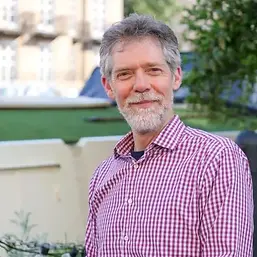
Robin Tucker
Co-Chair, CoHSAT
Coalition for Healthy Streets and Active Travel

Nicola Wass
CEO
SoMoCo

Dorian Isaacson
CEO
Rhevia

George Henry
Head of Road Policy and Safety, Transport Scotland
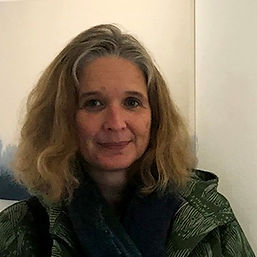
Sue Nicholls
Director and media coordinator 20's Plenty

Steve Maloret
Director
Road to Change

Emily Cherry
Chief Executive
Bikeability Trust

Rod King
Founder and Director
20's Plenty

Suzanne Coles
Principal Consultant
Agilysis

Amr Fouda
Associate Director
Project Centre and London Technical Advisers Group (LoTAG)

Richard Parker
Mayor of the West Midlands

Margaret Winchcomb
Deputy Executive Director, PACTS

Caroline Russell
Assembly Member
London Assembly

Tom Cohen
Reader in Transport Policy, Active Travel Academy University of Westminster

Amy Aeron-Thomas
Traffic Justice Campaign Coordinator
Action Vision Zero

Ben Coleman
Head of Active Travel
Urban Movement
and Representative of the Safer C7 Group

Sarah Ansari
Growth & Partnerships Manager, West Midlands & East Midlands Walk Wheel Cycle Trust

Martin Price
Outgoing Chair
Better Streets for Birmingham

Jeremy Leach
Co-founder
Action Vision Zero

Keeley Bevington
Chief Inspector - Roads Policing
West Midlands Police

Mel Jones
Head of Transport Planning and Network Strategy, Birmingham City Council

Aria Rattan
Active Travel Ambassador West Midlands

Nadeem Mohammed
Road Sfatey Manager
Transport for Greater Manchester
Exhibition & Sponsorship Packages
Exhibition Package
-
3m x 2m exhibition space
-
Power, table, chairs and wi-fi
-
3 delegate places
-
Logo and company bio on event website
-
Logo on all event marketing collateral
£2,500 + VAT
Supporter Package
-
3m x 2m exhibition space
-
Power, table, chairs and wi-fi
-
Presentation position within the event programme
-
3 delegate places
-
Logo and company bio on event website
-
Logo on all event marketing collateral
£3,500 + VAT
Silver Sponsorship Package
-
6m x 2m exhibition space
-
Power, table, chairs and wi-fi
-
Presentation position within the event programme
-
5 delegate places
-
Company bio on the event website
-
Company logo at the top of all event marketing collateral
-
Logo as Silver Sponsor at the top of the event website
-
Logo to appear on event confirmation emails
-
Logo to appear on event holding slides
£5,000 + VAT
Headline Sponsorship Package
-
6m x 2m exhibition space
-
Power, table, chairs and wi-fi
-
2 x Presentation positions within the event programme
-
10 delegate places
-
Company bio on the event website
-
Company logo at the top of all event marketing collateral
-
Logo as Headline Sponsor at the top of the event website
-
Logo to appear on event confirmation emails
-
Logo to appear on event holding slides
£8,500 + VAT
To book any of the above, contact Jason Conboy on: 020 7091 7895 or email: jason@landor.co.uk


Event Supporters:
.png)
The Parliamentary Advisory Council for Transport Safety (PACTS) is a UK registered charity and company limited by guarantee dedicated to improving transport safety. Established in 1982, PACTS plays a unique role in bridging safety professionals and lawmakers. It advises members of the House of Commons and House of Lords on air, rail and road safety, bringing together experts and legislators to promote research-based, cost-effective and achievable solutions. Funded through memberships, sponsorship, research grants and events, PACTS is independent of political and commercial interests and works collaboratively across the public, private and third sectors.

The Road Safety Foundation is a charity founded in 1986 that aims to support the delivery of a Safe Road System. It has a vision for safe, sustainable mobility where every journey is safe, and everyone feels protected. RSF leads the United Kingdom Road Assessment Programme, providing tools, training and methodologies to help authorities assess the safety performance of roads, prioritise investment, take a proactive approach and create safer journeys for all road users. RSF undertakes research and innovation to advance Safe System practice, collaborates widely across the sector, and leads national initiatives such as the Older Drivers Task Force.
.png)
At the Royal Society for the Prevention of Accidents (RoSPA), we are dedicated to saving lives and preventing serious injuries. For over a century, we have been the driving force behind safety, from pioneering seatbelt laws to founding initiatives like The Tufty Club, Cycling Proficiency, and IOSH. Our vision is clear: an Accident-Free World. We're a charity that leads the safety agenda, shapes government policy, raises industry standards, and drives behavioural change across all areas of life – work, road, home, and leisure. Working alongside our members, we are determined to make accidents preventable, creating a safer society for everyone.

The Road Danger Reduction Forum was set up in 1993 by transport professionals working in local government.
The Road Danger Reduction (RDR) agenda advocates for a safety regime for highways similar to those in industry where danger is targeted at source – namely the (mis)use of motor vehicles in the highway environment.
It is advocated for as part of the implementation of transport programmes based on the public health and local and global environmental objectives of sustainable transport policy.
RDR has been referred to in programmes advanced by Active Travel organisations, and Transport for London and some other highway authorities.